IMPLANT

Implant Treatment


Implant is a surgical treatment method used to complete missing teeth functionally and aesthetically.


BOOK APPOINTMENT

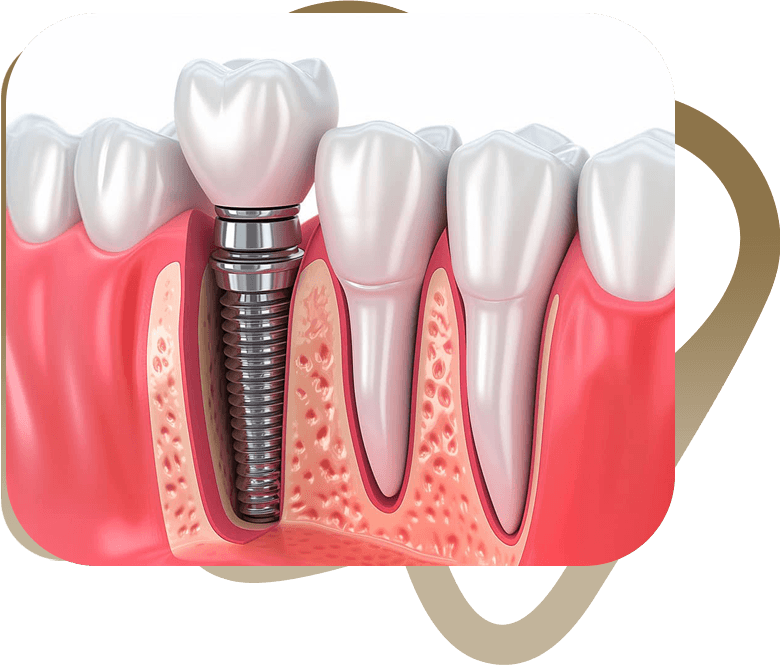
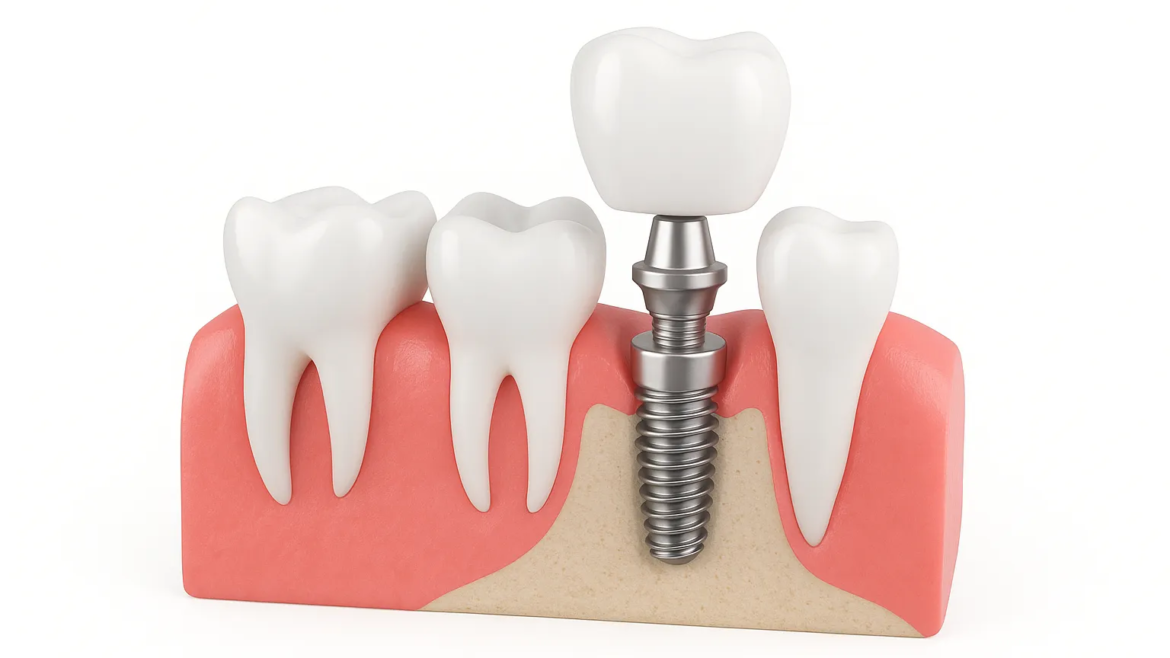
A dental implant is an artificial root, usually made of titanium and in the form of a biocompatible screw, that mimics the root of a natural tooth. This structure is placed in the jawbone and is intended to replace missing teeth by applying fixed or removable prosthetics.

Conformity Assessment

The patient's mouth and jaw structure are examined in detail. During this evaluation phase:

Bone density and height are analyzed with panoramic x-ray or CT (Computed Tomography).

Gum health, oral hygiene habits, and systemic health status are taken into consideration. If bone insufficiency is detected, support is provided through simple surgical procedures.
Surgical Preparation

The implant site is prepared under local anesthesia. A pilot hole is drilled into the bone for the implant. A careful surgical approach is required to avoid damaging the anatomical structures.

Implant Placement

The initial pilot hole is enlarged to the appropriate diameter, and the implant screw is placed into the jawbone. A temporary cover screw is attached, the gum is closed, and the healing process begins.

Osseointegration Process

The biological integration of the implant with the bone (osseointegration) takes an average of six weeks to six months. During this process, the implant becomes fixed to the bone and gains functional strength.

Prosthesis Application

Once healing is complete, an abutment (connecting piece) is placed over the implant. Impressions are then taken, and a custom crown, bridge, or denture is prepared and secured to the implant.

 
ABOUT IMPLANTS

Frequently Asked Questions

1What is implant treatment and who can benefit from it?
An implant is an artificial tooth root placed in the jawbone, providing the anchorage for fixed or removable dentures in place of missing teeth. It is generally suitable for individuals with complete bone development, adequate bone volume, and good oral hygiene.
2Is implant treatment painful? Will I be left without teeth during the procedure?
Implant placement is performed under local anesthesia, so the procedure is painless. There may be some mild swelling or pain after the procedure, but it usually subsides within a few days. In some cases, temporary teeth can be placed to prevent tooth loss.
3How long is the lifespan of an implant?
Properly placed and well-maintained implants generally last a lifetime. However, smoking, gum disease, poor oral hygiene, and systemic diseases can shorten the lifespan of an implant.
4Can everyone have implants? In what cases is it not possible?
Implants are suitable for most people, but there are some exceptions. Implants are not recommended for individuals with uncontrolled diabetes, advanced osteoporosis, certain heart conditions, autoimmune diseases, or excessive smoking. They are also not recommended for young individuals whose bones are not fully developed.
5How long does implant treatment take?
Implant treatment typically involves several stages: examination and planning, implant placement, healing, and prosthesis fitting. Depending on the condition of the bone, treatment time can range from two to six months.
6What should be the post-implant care?
Regular brushing, flossing, and mouthwash are important after implant placement. Regular dental checkups should be maintained. Smoking and alcohol consumption can negatively impact implant fusion to the bone and are therefore not recommended.
7Is implant treatment expensive? What determines the price?
Implant treatment is generally more expensive than other dental treatments. The price varies depending on factors such as the implant brand used, the dentist's experience, the quality of the material used, and whether additional surgery is necessary based on bone structure.