


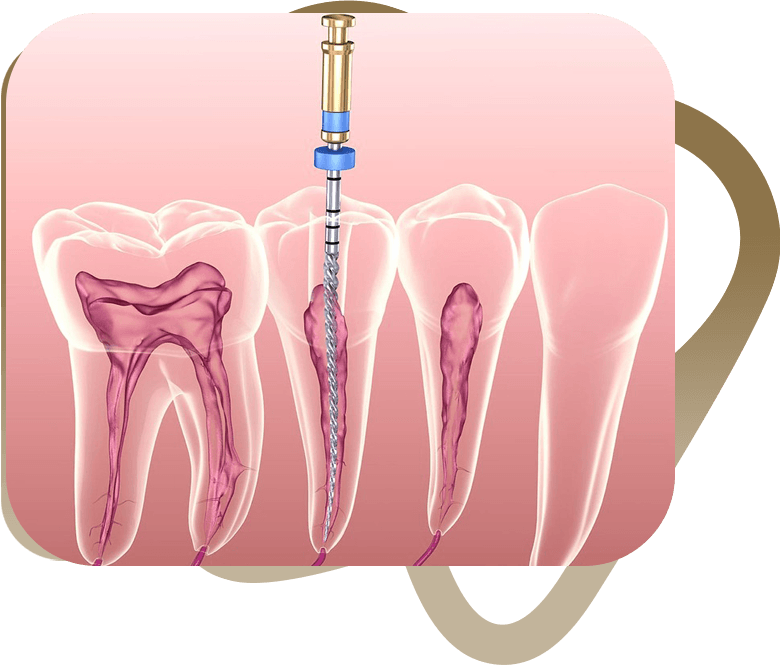
Root canal treatment is performed when the pulp tissue inside a tooth has been damaged by decay, trauma, or infection. The pulp contains the tooth's nerves and blood vessels, ensuring its vitality. As the infection progresses, clinical symptoms such as pain, discoloration, and tenderness may appear.
The Necessity of Root Canal Treatment
Treatment
Process
Inspection and Evaluation
The tooth and surrounding tissues are examined in detail. The shape, length and infection status of the root canals are evaluated with radiological imaging.
Opening and Cleaning the Channel
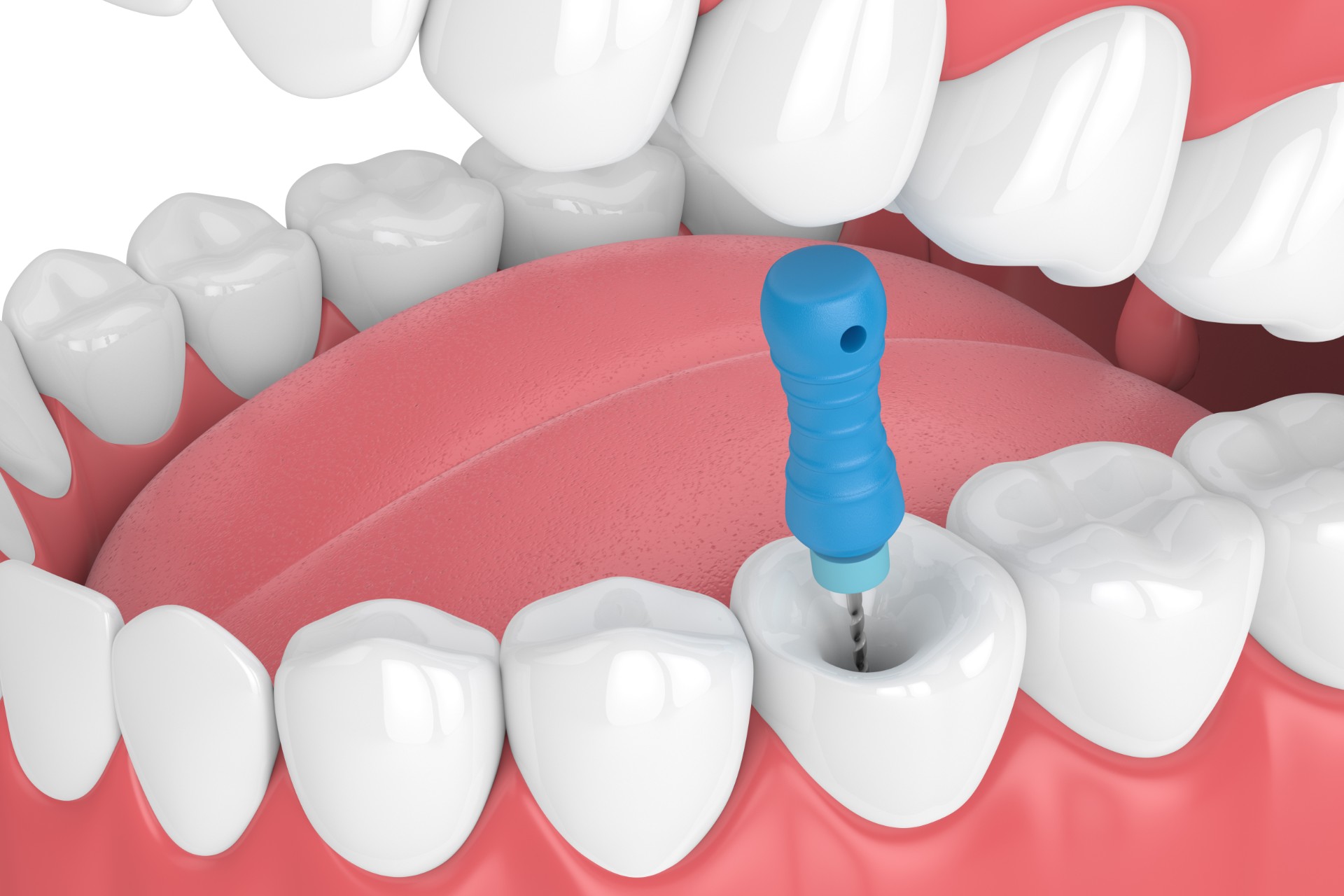
Under local anesthesia, a small opening is created in the upper part of the tooth. The infected pulp tissue within the canal is removed. The canal is widened and cleaned to suit its shape and depth.
Filling the Channel
The cleaned canal is completely filled with biocompatible filling materials. The filling prevents bacterial growth and stabilizes the tooth.
Prosthetic Restoration
Once root canal treatment is complete, the tooth is usually restored with a crown or filling. This prevents the tooth from breaking and prolongs its functional life.
ABOUT ENDODONTICS
Frequently Asked Questions
1Is root canal treatment painful?
Root canal treatment is generally a painless procedure. During the procedure, the area is numbed with local anesthesia, eliminating any pain. There may be some mild tenderness or discomfort following the treatment, which will subside within a few days.
2Why is root canal treatment necessary?
Root canal treatment is performed when the pulp (nerve and blood vessel structure) of a tooth becomes infected or damaged. If the tooth exhibits symptoms such as severe pain, sensitivity to hot and cold, discoloration, swelling, or an abscess, root canal treatment may be necessary.
3What changes will occur in my tooth after root canal treatment?
After root canal treatment, the internal structure of the tooth is completely transformed. Because the nerves are removed, sensitivity to hot and cold disappears. However, the tooth's structure may be more fragile. Therefore, a protective coating or crown is generally recommended after treatment.
4How long does root canal treatment take?
Root canal treatment is usually completed in one or two appointments. In the first appointment, the infected tissue is removed and the canal is shaped. In the second appointment, the canal is filled and a suitable restoration is placed on the tooth. Some complex cases may require several appointments.
5How long will the tooth last after root canal treatment?
A tooth that has undergone root canal treatment can remain healthy for many years, but its durability depends on the restorations (fillings, crowns) placed after the treatment. A filling or crown makes the tooth more durable.
6Is there a risk of infection after root canal treatment?
The risk of infection after root canal treatment is quite low. However, if the root canal is not thoroughly cleaned and filled properly, the risk of infection may persist. Maintaining good oral hygiene and regular checkups after treatment reduces the likelihood of infection.
7What consequences will I encounter if root canal treatment is not performed?
If root canal treatment is not performed, the infection can progress and an abscess can form at the root of the tooth. This can cause severe pain, swelling, tooth loss, and even damage to other parts of the body due to the spread of infection.