


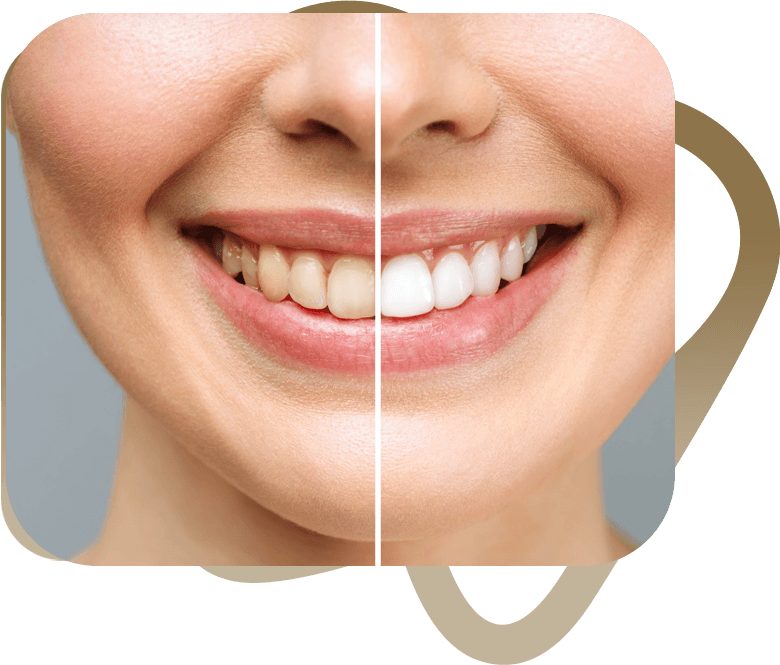
Teeth whitening is a cosmetic dentistry procedure used to lighten teeth's natural color or remove stains. The procedure can be performed in two ways: in-office (clinical application) and at-home (using custom trays).
Causes of Tooth Discoloration
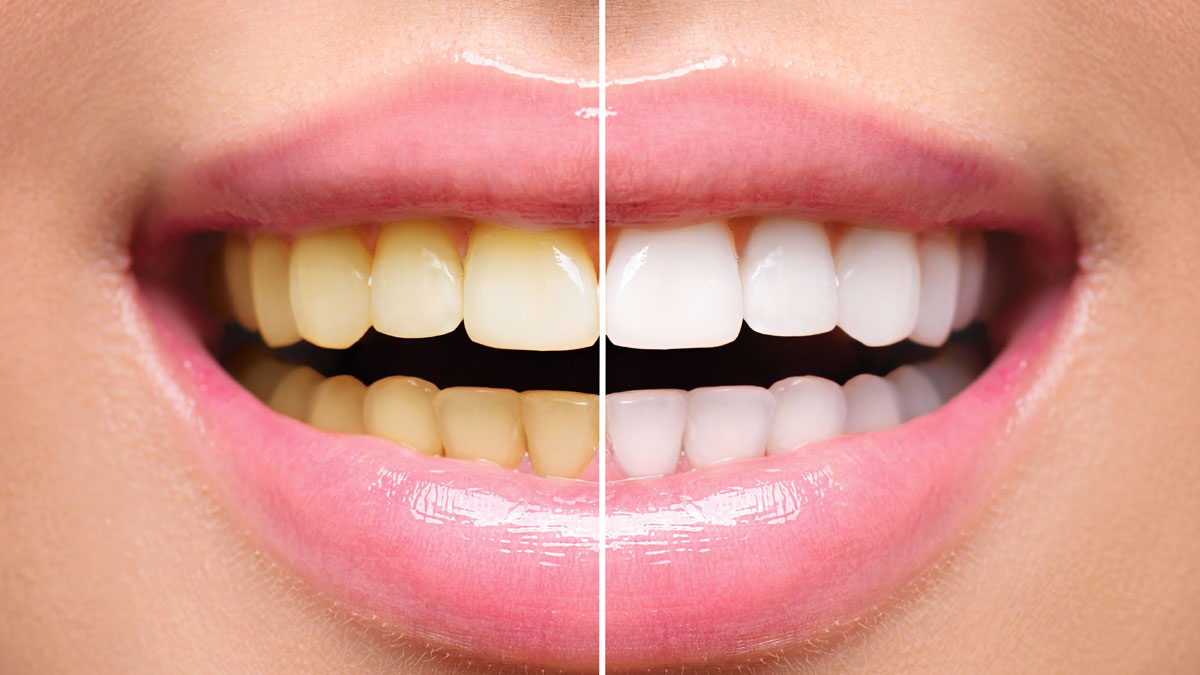
Teeth Whitening Applications
Office Teeth Whitening
It's performed in a clinical setting under the supervision of a physician. The teeth and gums are isolated, and sealants are used to protect the gums. A hydrogen peroxide-based whitening agent is applied to the tooth surfaces and activated with light or laser. The procedure takes 30–40 minutes and provides fast, visible results.
Home Teeth Whitening
Clear trays are custom-made for the patient. Whitening gel is applied to the trays and applied to the teeth. The trays typically need to be kept in the mouth for about four hours to be effective. The procedure typically takes a week or more to take effect and offers less dramatic results than in-office treatments.
ABOUT TEETH WHITENING
Frequently Asked Questions
1Is Teeth Whitening safe?
Teeth whitening is safe when performed by a qualified dentist using the correct methods. Both in-office and at-home whitening procedures are performed without damaging the tooth structure. Whitening agents do not damage tooth enamel, but they can cause tooth sensitivity if used incorrectly.
2How long does the whitening process take?
The whitening process varies depending on the method chosen. In-office teeth whitening typically takes 30-60 minutes to complete. At-home teeth whitening, on the other hand, can take several days. At-home whitening is performed with custom-made trays, and the effects become visible over time.
3How long do teeth stay white after whitening?
Whitening can last an average of 1-3 years. However, habits such as smoking and consuming tea, coffee, and red wine can shorten this period. Therefore, it's important to avoid certain habits to protect your teeth after whitening.
4Is teeth whitening painful?
Teeth whitening is generally painless. However, some patients may experience temporary tooth sensitivity during or after the procedure. This sensitivity subsides within a few days and is normal. Dentist-recommended desensitizers can be used.
5Can teeth whitening be done to everyone?
Teeth whitening can be performed on anyone over the age of 18 with healthy teeth. However, anyone with existing tooth decay or gum disease should have these issues treated first. Whitening is generally not recommended for pregnant or breastfeeding women.
6What is the difference between home teeth whitening and office teeth whitening?
In-office teeth whitening is a faster and more intensive procedure performed by a dentist in a clinical setting. Results are immediate. At-home teeth whitening, on the other hand, is performed at home using custom trays and whitening gel. This method takes longer to take effect but provides less intense and more natural results.
7Does teeth whitening harm teeth?
Teeth whitening, when performed correctly by a professional, does not harm teeth. Whitening agents are compatible with tooth enamel. However, excessive use or incorrect application can lead to sensitivity or weakening of the enamel. Dentists prevent such problems by taking the necessary precautions during the procedure.